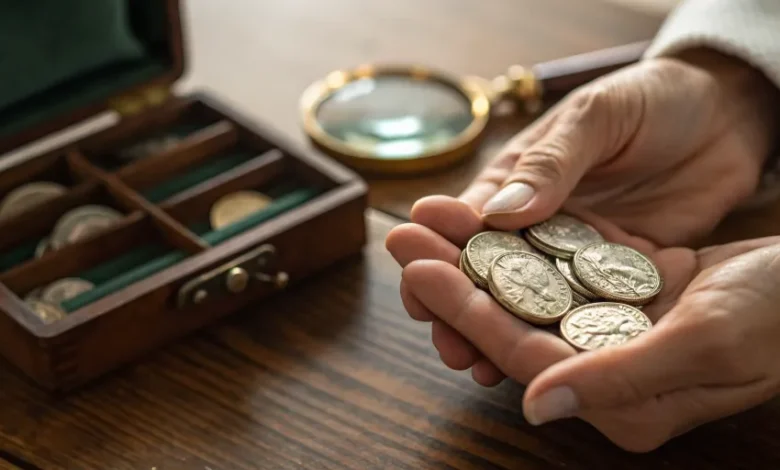
Most people walk into a coin appraisal event in West Columbia, TX, with low expectations. A small jar of change, an old family box, or a few coins found while cleaning out a drawer rarely feels like something valuable. Yet time after time, those everyday items turn into meaningful payouts once experts begin sorting through them.
The American Rare Coin Collectors Association regularly sees this pattern repeat. What begins as ordinary pocket change often contains coins that carry collector demand, silver content, or hidden rarity. The results are not random. They follow clear categories of coins that commonly surface at appraisal events.
Old Coins Mixed Into Everyday Change
One of the most common discoveries is older coins that quietly stayed in circulation for years. These pieces often blend in with modern currency, which is why they are so frequently overlooked.
Wheat Pennies Still Found in Jars and Drawers
Wheat pennies, minted from 1909 to 1958, are among the most recognizable “hidden” coins. Many people assume they are only keepsakes, but certain dates and mint marks carry strong collector value.
Even common wheat pennies often sell for more than face value in bulk, while rarer versions can be significantly more valuable. They show up constantly at appraisal events simply because they were saved in large quantities decades ago and forgotten.
Pre-1965 Silver Coins in Loose Change
Another frequent surprise comes from silver dimes, quarters, and half dollars minted before 1965. These coins contain 90 percent silver and often remain mixed into household change collections.
They are easy to miss because their design is similar to modern coins. However, once identified, they immediately separate from face-value currency due to their metal content alone.
Inherited Collections With Hidden Value
Many attendees bring coins they did not collect themselves. Instead, they inherited them from parents or grandparents. These collections often contain the biggest surprises.
Unsorted Family Coin Boxes
Boxes filled with unsorted coins are extremely common at appraisal events. They may contain a mix of pennies, nickels, silver coins, and foreign currency. Because nothing has been reviewed or categorized, valuable pieces often remain unnoticed for decades.
Once experts begin sorting, key dates and silver coins often appear quickly. What looked like a simple family keepsake can turn into a meaningful collection with real market value.
Old Albums and Coin Folders
Coin albums passed down through generations often contain more structure. However, even these organized collections can include overlooked rare dates or higher-grade coins that were not fully understood at the time they were collected.
The American Rare Coin Collectors Association often finds that inherited collections hold more value than families expect, especially when coins were assembled during earlier collecting periods when knowledge was more limited.
Silver and Gold Coins People Forgot They Had
Precious metal coins are another major category that shows up frequently. Many people do not realize they own them until they are evaluated.
Silver Half Dollars and Dollars
Silver half dollars, especially those from the early to mid-20th century, are common finds. Morgan and Peace silver dollars also appear regularly in collections brought to appraisal events.
Even worn examples carry both silver value and collector interest. Better-condition coins can move well beyond metal pricing depending on demand.
Gold Coins From Older Collections
Gold coins are less common but often more dramatic in impact when they appear. Small denomination gold pieces from the 1800s and early 1900s sometimes surface in family collections.
These coins tend to stand out immediately during evaluation because of weight, color, and design. Even a single gold coin can change the entire outcome of an appraisal visit.
Mint Error Coins That Catch Attention Quickly
Error coins are another category that frequently appears in everyday collections. These are coins that were struck incorrectly during production.
Misprints and Off-Center Strikes
Coins that are off-center, double struck, or missing design elements often attract strong collector interest. They are rare by nature because they were not intended to leave the mint in that condition.
While some errors are subtle, experienced evaluators can identify them quickly. These coins often surprise owners who assumed they were simply damaged.
Famous Error Types That Still Circulate
Certain well-known errors, such as the 1937-D three-legged Buffalo nickel, remain highly sought after. Even similar minor errors can carry value depending on condition and visibility.
At events run by groups like the American Rare Coin Collectors Association, error coins are often set aside early in the evaluation process for closer inspection.
Modern Coins With Unexpected Value
Not all valuable coins are old. Some modern coins also appear at appraisal events and carry collector demand.
Low Mintage Modern Coins
Certain modern U.S. coins were produced in smaller quantities than expected. These coins can become desirable to collectors even though they look relatively new.
Proof and Special Edition Coins
Proof coins and special mint releases sometimes enter circulation through estate sales or collections that were broken apart. Their polished surfaces and sharp detail make them stand out once identified.
Foreign Coins Mixed With U.S. Collections
Foreign coins often appear in mixed collections, especially in inherited boxes or travel souvenirs.
Travel Coins and Currency Mixes
People who traveled or served overseas often brought coins back home. These foreign pieces may not have immediate U.S. circulation value, but some carry collector interest depending on country, age, and condition.
Older Foreign Silver Coins
Some foreign coins also contain silver or historical value. These are frequently identified during sorting and separated for further review.
Why These Coins Get Overlooked
Most people do not miss value because they are careless. They miss it because coins look similar at first glance.
Small Details Make Big Differences
Dates, mint marks, and subtle design variations are easy to overlook without training. A coin that appears ordinary may actually be part of a rare series.
Familiarity Creates Blind Spots
People often assume coins they have seen for years are common. Familiarity makes it harder to notice changes in value or rarity.
What Happens When These Coins Are Evaluated
At appraisal events, coins are sorted, reviewed, and explained in real time. Owners can see how each decision is made.
Step-by-Step Review Process
Coins are separated by type, then examined individually. Valuable pieces are pulled aside for closer evaluation, while common coins are grouped for metal or bulk value.
Clear Explanation of Value
Experts explain why certain coins are worth more than others. This includes condition, rarity, and market demand. The process is designed to be transparent and easy to follow.
The American Rare Coin Collectors Association focuses on making this evaluation process straightforward so sellers understand what they own and why it matters.
Conclusion: Everyday Coins Can Lead to Real Value
Pocket change, inherited boxes, and forgotten collections often contain more than people expect. Wheat pennies, silver coins, error coins, gold pieces, and overlooked modern issues all appear regularly at appraisal events.
For collectors and families in West Columbia, TX, the key lesson is simple. Value is often hidden in plain sight. Once properly sorted and evaluated, ordinary coins can turn into meaningful financial outcomes.
With experienced guidance from organizations like the American Rare Coin Collectors Association, what begins as everyday change often becomes a clear and understandable payoff.